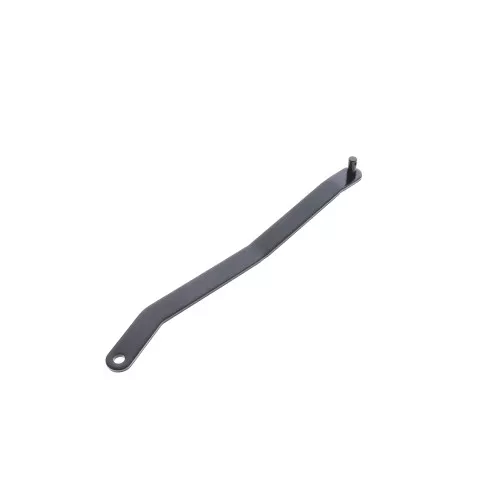
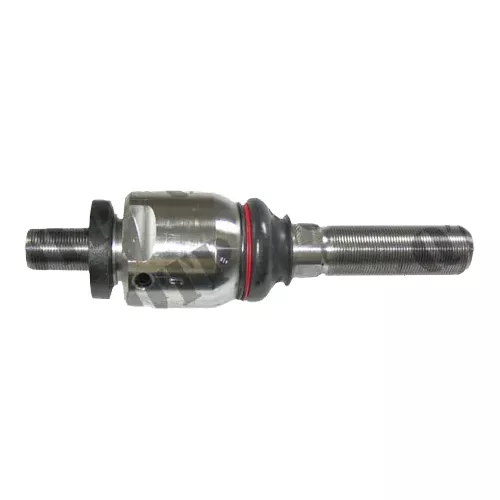
When you’re operating a 4WD tractor, there’s no room for sloppy steering—especially when you’re pulling heavy implements or working on slopes. A worn ball joint in your front axle creates dangerous play that makes steering unpredictable and wears out your expensive 4WD tires fast. This heavy-duty replacement gets your steering tight and responsive again, giving you the precise control you need for safe operation.
What You’re Getting
- Dual-thread design with M24 x 1.5 RH for steering ram connection and M28 x 1.5 RH for track rod attachment
- Heavy-duty construction that handles the extra forces from powered front wheels
- Precision-machined threads for secure fit and proper torque retention
- Heat-treated materials provide superior strength against the constant articulation under load
- Compatible with APL350 axles whether you’ve got TLS suspension or standard setup
Built for Real Farm Work
This ball joint fits the demanding work your 4WD John Deere does every day. From heavy tillage with a 6920S to loader work on hillsides with a 3350, or running through muddy fields where maximum traction is critical, steering ball joints work in demanding conditions with constant loads from steering inputs, road shock, and exposure to agricultural contaminants. The APL350 axle system takes more punishment than standard 2WD setups, so you need a ball joint that’s built to match.
Made to Last
This replacement component uses quality materials and construction designed to handle these challenges while providing the smooth operation and tight tolerances needed for responsive steering. The corrosion-resistant finish protects against chemicals and weather, while the precision threading ensures it’ll stay tight season after season.
Installation Notes
You’ll need proper ball joint separators and torque specs for installation—the tapered fits must seat correctly for safety. Always check the threading specifications carefully – the dual threading design is critical for proper fit and function. Pro tip: Replace these in pairs when possible, and don’t forget to check your front-end alignment afterward to prevent premature tire wear.