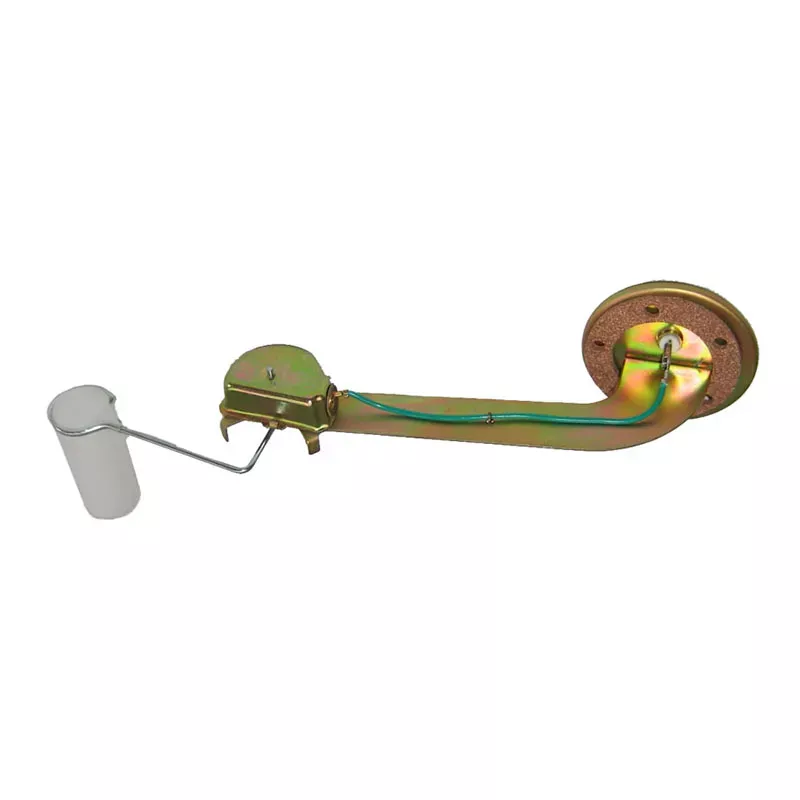
There’s nothing more frustrating than running out of fuel when you’re miles from the barn because your gauge quit telling the truth. When you can’t trust your fuel gauge, you end up either topping off constantly or finding yourself walking back for jerry cans. This 5-hole sender unit gets your MF 240’s fuel gauge reading accurately again, so you can plan your day without fuel surprises.
What You’re Getting
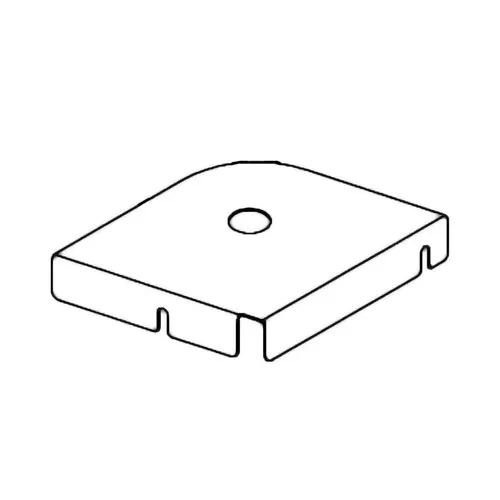
- Five-bolt mounting pattern designed specifically for MF 240 fuel tanks – won’t fit 135 models
- Calibrated resistance range that matches your tractor’s original gauge perfectly
- Durable float arm and resistance strip that handle sloshing fuel during field work
- Modern materials resist ethanol blends and fuel additives that destroy older units
- Direct replacement that installs with no modifications or adapters needed
Built for Real Farm Work
This sender fits Massey Ferguson 240 tractors along with other 200 series models like the 250, 235, and 255. Whether you’re running long days during planting season, pulling a hay baler until dark, or pushing snow with a front blade, these utility tractors put in serious hours. You need a fuel system you can count on when there’s work waiting.
Made to Last
The five-hole mounting design provides rock-solid attachment that prevents the wobbling and rotation issues you get with generic senders. Fuel sender units commonly fail from contamination, corrosion, and mechanical wear, but this replacement uses modern materials that resist today’s fuel formulations while maintaining the correct resistance values your gauge requires.
Installation Notes
This sender only fits MF 240 models – it will not work in MF 135 tractors which use different mounting patterns. Drain the tank completely before removal and work in a well-ventilated area away from ignition sources. Clean the tank opening area thoroughly to prevent debris from falling in during installation. While the tank’s empty, it’s a perfect time to check for contamination and clean things up if needed.