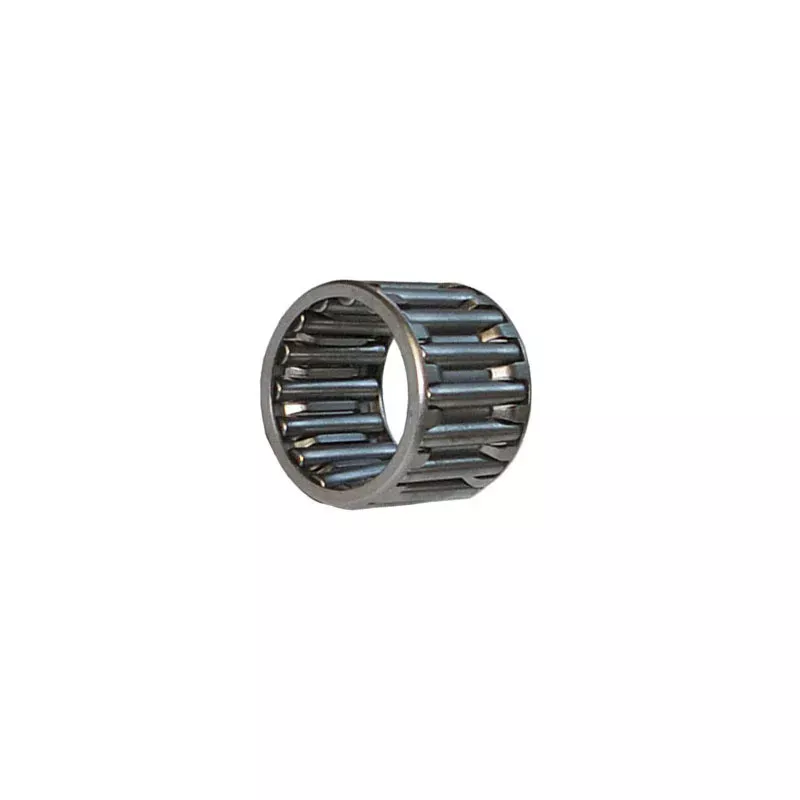
When you’re shifting through the gears and notice grinding or noise coming from your transmission, it’s often the input shaft bearing calling it quits. This little component works overtime every time you shift gears, supporting the main input shaft under load and keeping everything spinning smoothly. Without a good bearing here, you’ll get vibration, noise, and eventually serious transmission damage that’ll cost way more than fixing it right the first time.
What You’re Getting
- Late-type design specifically for 8-speed transmissions – no guesswork about fitment
- Precision-manufactured bearing built to handle transmission loads and constant shifting
- Quality steel construction with proper sealing to keep dirt and moisture out
- Direct replacement that restores smooth, quiet transmission operation
Built for Real Farm Work
This bearing is designed for the 8-speed transmissions found across multiple generations of Massey Ferguson tractors, from compact utility models in the 100 series up through the big 4300 series row-crop machines. Whether you’re running a 135 around the farmyard, pulling a grain cart with a 290, or pushing heavy implements with a 4365, this bearing keeps your transmission running smooth when you’re shifting between field work and transport speeds.
Made to Last
Transmission bearings face constant stress from gear loads, shifting forces, and the vibration that comes with farm work. This bearing is built with quality steel races and precision balls that maintain their geometry even after thousands of shift cycles. The sealed design keeps lubricant where it belongs and prevents the dust and dirt that destroy cheaper bearings.
Installation Notes
This is a transmission-split job that requires removing the transmission from the tractor and disassembling the input shaft area. If you’re doing the work yourself, have a bearing puller and installer ready – trying to hammer bearings in or out usually damages something expensive. While you’re in there, check the input shaft for wear and replace any seals that look questionable.