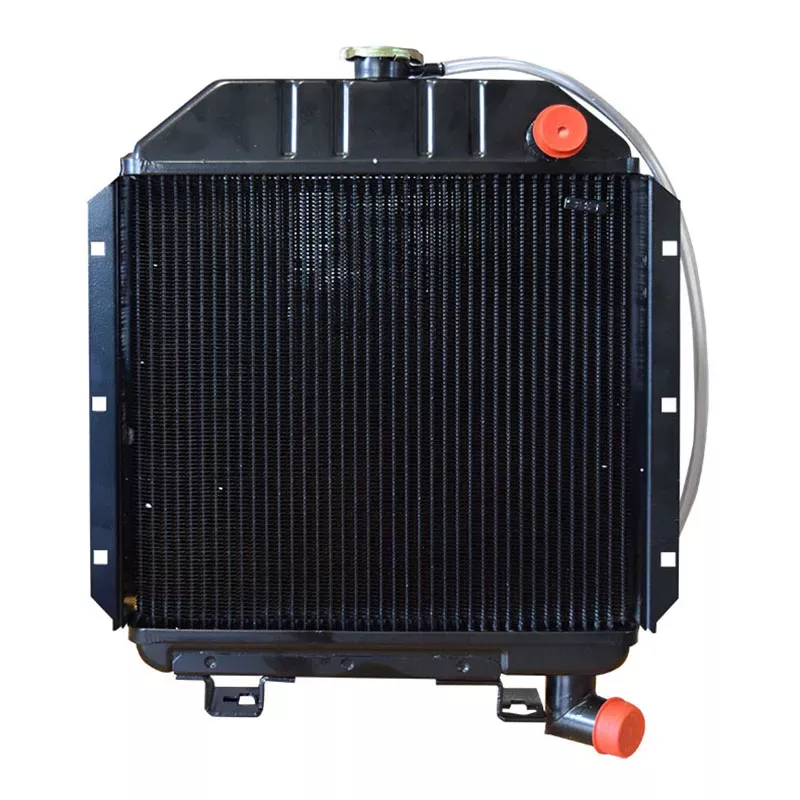
When your compact Case IH starts running hot or leaving coolant puddles under the machine, it’s time to address the radiator before you’re dealing with expensive engine damage. These Classic Series compacts work just as hard as their bigger cousins but in tighter spaces where overheating happens fast. This direct replacement radiator restores proper cooling so you can get back to moving dirt, cutting brush, and running PTO equipment without constantly watching your temperature gauge.
What You’re Getting
- Direct replacement for multiple Classic Series models without modifications
- Properly sized core that handles the heat these compact diesels generate
- OEM-fit design that mounts exactly like your original radiator
- Quality construction that resists vibration and the daily abuse of compact tractor work
- Core design optimized for the smaller cooling system capacity of compact tractors
Built for Real Farm Work
These Classic Series compacts might be smaller machines, but they tackle big jobs around your property. Whether you’re running a loader all day moving materials, pushing a rotary cutter through summer pastures, or powering various PTO implements, these tractors generate serious heat that needs proper dissipation. The confined engine compartments typical of compact tractors make cooling even more critical than on larger machines.
Made to Last
This radiator is engineered specifically for these Classic models rather than adapted from other applications. The core size provides optimal cooling while fitting within the compact hood design, and all mounting points align with factory specifications. Quality materials resist corrosion and handle the vibration these diesel engines produce day after day.
Good to Know
Compact tractors mean working in tight spaces, but proper preparation makes installation manageable. Drain and flush the system completely since these smaller cooling systems are less forgiving of contamination. Remove panels as needed for access and clean the mounting area thoroughly. Replace hoses and clamps while you have everything apart – old hoses often fail shortly after radiator replacement. Fill slowly to avoid air pockets and run the engine to verify proper operation under load.