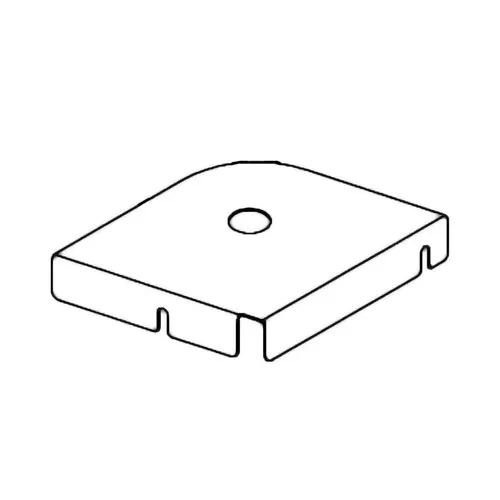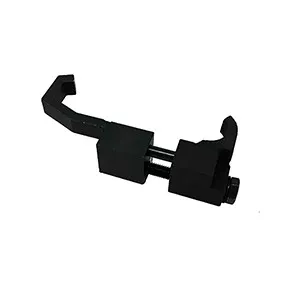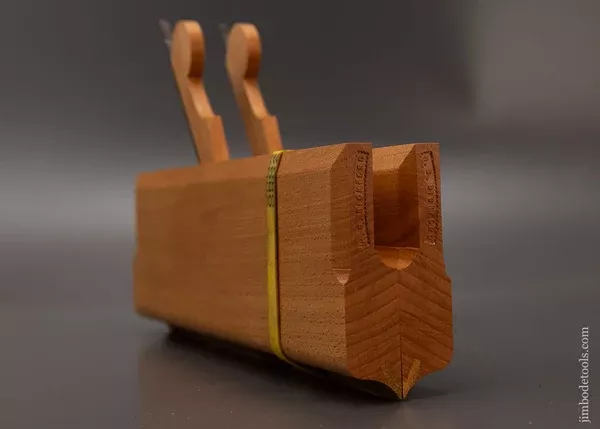
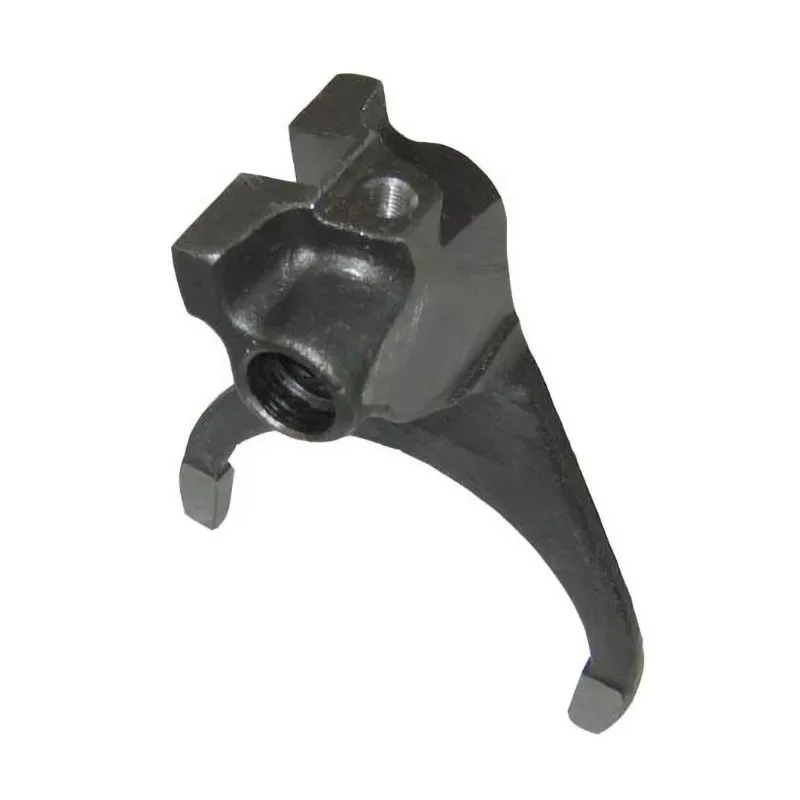
If you’ve ever had your tractor get stuck between gears or noticed grinding when you’re trying to shift from reverse to first or between the main ranges, there’s a good chance your selector fork is worn out. This critical transmission component is what physically moves the gear collars to engage different speeds, and when it starts wearing, you’ll know it – rough shifts, gears popping out of engagement, or that sinking feeling when you can’t get into the gear you need.
What You’re Getting
- Precision-machined fork that handles the stress of constant gear shifting under load
- Heavy-duty construction designed to last through seasons of hard farm work
- Direct replacement for worn factory parts – no modifications needed
- Engineered specifically for 8-speed transmissions with reverse, 1st, 2nd, and 4th gear positions
- Quality materials that resist wear from the constant sliding motion of gear engagement
Built for Real Farm Work
This selector fork works in the heart of your Massey Ferguson’s 8-speed transmission, controlling gear engagement across multiple series of tractors. Whether you’re running a compact 135 for hay work, using a 240 for cultivation, or operating a larger 375 for heavy tillage, this fork handles the mechanical demands of shifting between speeds while you’re working.
Made to Last
Transmission components take a beating, especially the selector forks that slide back and forth thousands of times each season. This fork is manufactured to handle the forces generated when engaging gears under load, with proper heat treatment and metallurgy to resist wear at the contact points where it moves the gear collars.
Installation Notes
Replacing a selector fork requires splitting the tractor and disassembling the transmission – this isn’t a quick repair you’ll do in the field. Most folks tackle this during the off-season or leave it to a shop with the proper tools and experience. When you’re in there, it’s smart to check the other selector forks and synchronizers since they all work together and wear at similar rates.